


Composite veneers present several limitations when compared with ceramic restorations, particularly regarding long-term color stability, wear resistance, and surface durability. Direct composite restorations, however, offer a key advantage: the preserving of natural tooth structure through a significantly more conservative approach. In young patients, where long-term preservation of enamel is critical, minimally invasive additive procedures can serve as a valuable transitional option before definitive ceramic treatment is pursued later in life. This patient presented with a naturally attractive, highly esthetic smile with harmonious proportions, soft line angles, rounded incisal corners, and subtle variations between the central and lateral incisors—features often associated with ideal feminine smile design. However, she was not fully satisfied with the shape of her teeth and desired a more uniform appearance with closed incisal embrasures and equalized tooth proportions. Direct composite veneers were chosen to address her goals while conserving tooth structure. Quantium® Universal Composite (BISCO, bisco.com) was selected because of its excellent handling characteristics, non-sticky consistency, high polishability, low volumetric shrinkage, and ability to maintain natural optical properties after finishing and polishing. Its sculptability allowed precise control of line angles, incisal embrasures, and transitional anatomy while maximizing enamel preservation. Proper occlusal evaluation, incremental layering, and meticulous finishing and polishing protocols helped optimize esthetics and ensure long-term functional stability.
KEY TAKEAWAYS
- Additive composite veneers can provide young patients with highly esthetic outcomes while preserving enamel and delaying more invasive ceramic treatment options. The treatment in this case yielded a smile more closely aligned with the patient’s cosmetic preferences while maintaining a conservative restorative approach.
- Quantium Universal Composite, a light-cured, radiopaque universal dental composite, demonstrated excellent sculptability and polishability, enabling precise anatomical control and seamless optical integration.
- Natural-looking direct veneers depend on proper material selection, precise line angle development, and detailed polishing to reproduce enamel-like esthetics.
Figures and Images

Figure 1

Figure 2

Figure 3

Figure 4

Figure 5
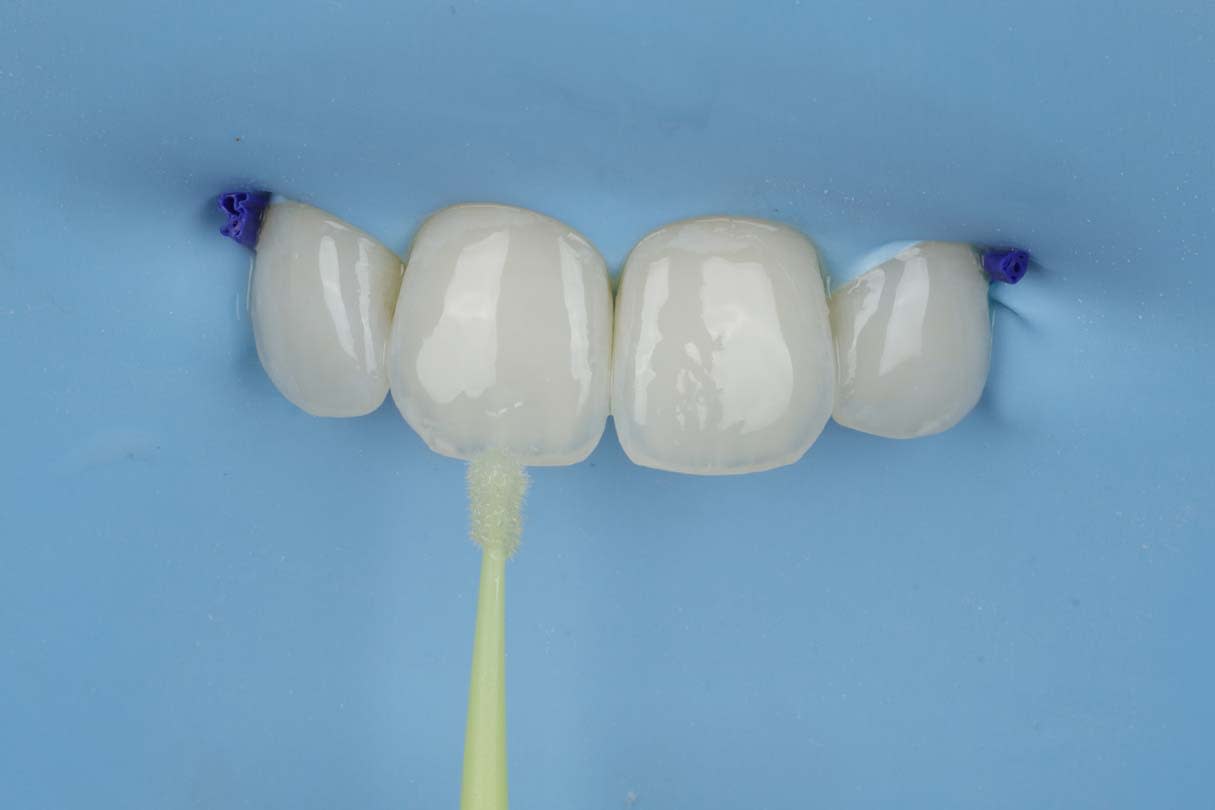
Figure 6

Figure 7

Figure 8

Figure 9

Figure 10
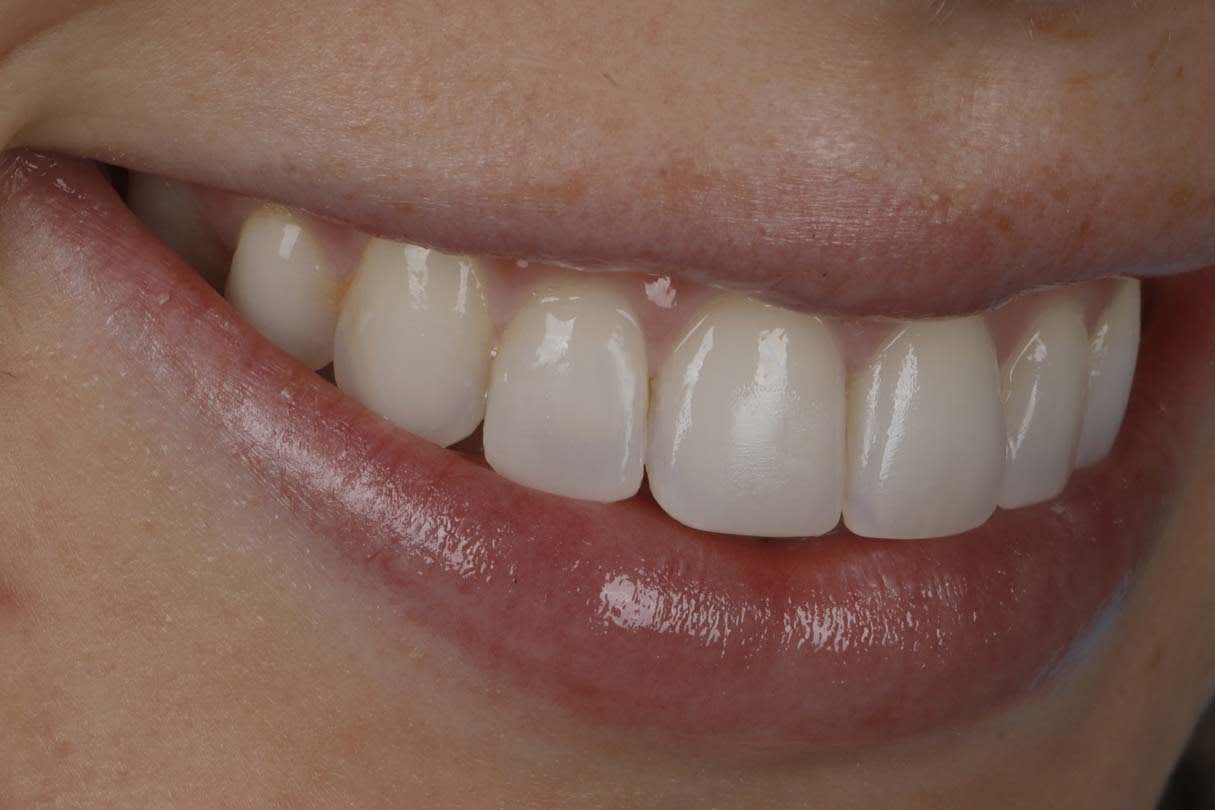
Figure 11

Figure 12

Figure 13

Luis Abrahante, DMD